1. Quick call, clear plan
You tell the team what was found and where. It explains how the sweep will go and what access it needs.
Earlston, PA · Bedford County
How do you get rid of used needles safely in Earlston? Call (877) 812-4220 to talk through sharps collection, disposal containers and a final walk-through to check nothing was missed.
If anyone is in danger, call 911 first. For a suicide crisis, call or text 988.
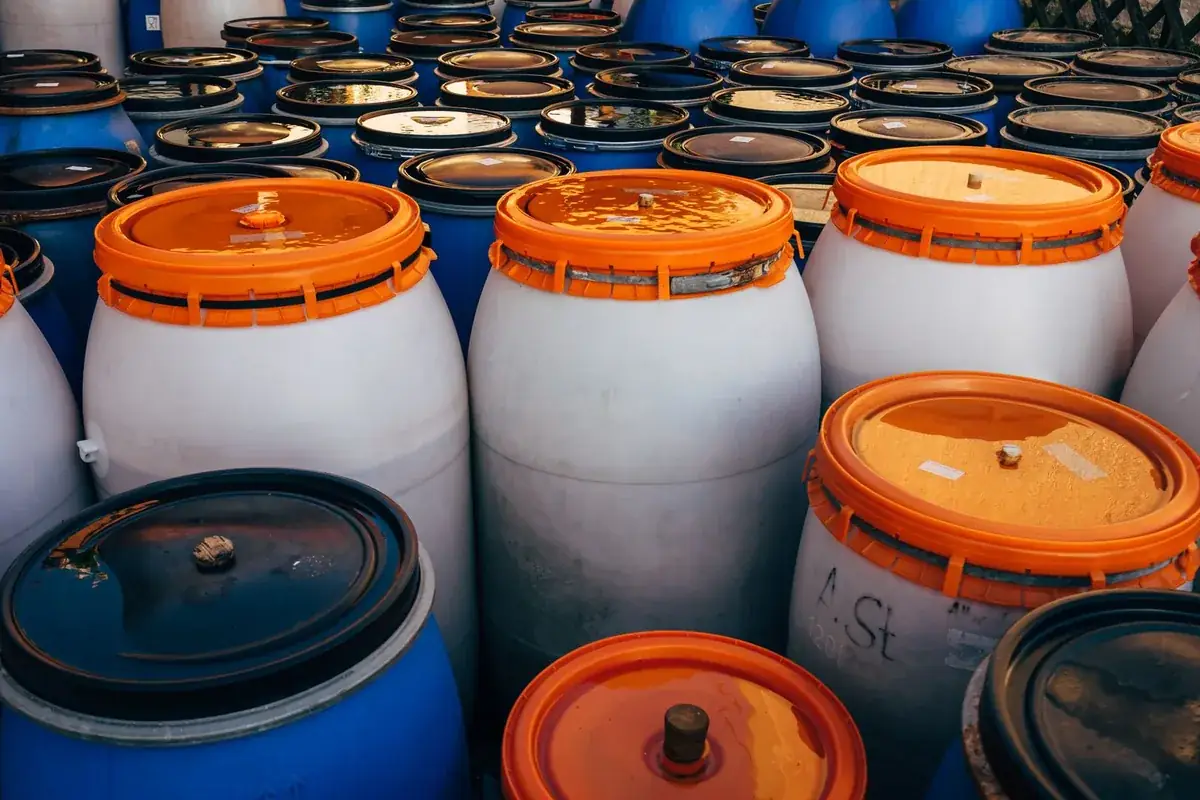
Biohazard sharps removal is more than picking up one needle. It involves sweeping an area, checking furniture and corners, collecting every sharp and confirming nothing is left behind.
If you own property in Bedford County, call Earlston Biohazard Cleanup Help for needle pickup before sales, repairs or new tenants. The crew checks the whole property in Earlston and removes sharps with the right tools and containers.
Vacant buildings make up about 16% of housing in Bedford County, and empty houses and lots are common places for discarded needles to turn up. A stick, cut or splash should be checked by a doctor without delay. Upmc Bedford Memorial in Everett serves people in and around Earlston.
What needle & sharps cleanup covers:
You tell the team what was found and where. It explains how the sweep will go and what access it needs.
The team moves in a set pattern so no section is skipped, since a single missed needle is still a hazard.
Each needle is picked up with a tool and dropped into a rigid, puncture-resistant container, then sealed.
Hard surfaces are cleaned with EPA-registered products. Soaked fabrics may be removed and bagged.
The cost of needle & sharps cleanup in Earlston, PA depends on the amount of material, how it is packed and how it is hauled.
Disposal as regulated medical waste is part of the work, and treatment facilities charge by container or weight.
| Type of job | Typical range |
|---|
Figures are planning ranges from , not a price for any specific Earlston property. Price drivers include number of items, where they are found, whether a sweep of a large area is needed, waste disposal. Call (877) 812-4220 any hour.
A local biohazard cleanup team can search the area and remove needles and other sharps. Some cities and health departments also help with found needles on public land. For a single needle outdoors, the health department is a good first call, and for anything bigger, a cleanup team.
A used needle can carry bloodborne pathogens such as hepatitis B, hepatitis C and HIV. The chance of infection from one stick depends on many things, and a doctor can explain what applies. Get medical care promptly after any stick or cut.
No. Do not search for them yourself. Tell the team what you have seen and where, and the crew will check the rest of the space in protective gear. Searching by hand is how many sticks happen.
Safer options exist. Many cities and health departments have programs for found needles and may give instructions or send someone. If you are unsure, do not touch it. Leaving a needle in place and keeping others away is safer than risking a stick.
Sometimes. Some homeowners and renters policies cover cleanup after a covered event, and many do not cover needles on their own. Call your insurance company before work starts, take photos from a safe spot, and keep every receipt. Check your policy rather than assuming.
Wash the area with soap and water and get medical care right away. Call 911 in an emergency, or Poison Control with exposure questions. Tell the doctor what happened and where the needle was found, if you know. Do not wait to see whether symptoms appear.
Ask about discreet arrival in an unmarked vehicle if privacy matters.
Call (877) 812-4220